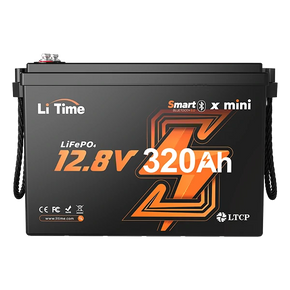


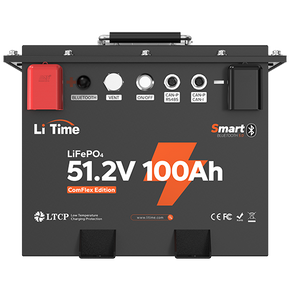
LiTime diy solar system kits for home, off grid

Plug & Play DIY Solar System for Beginners


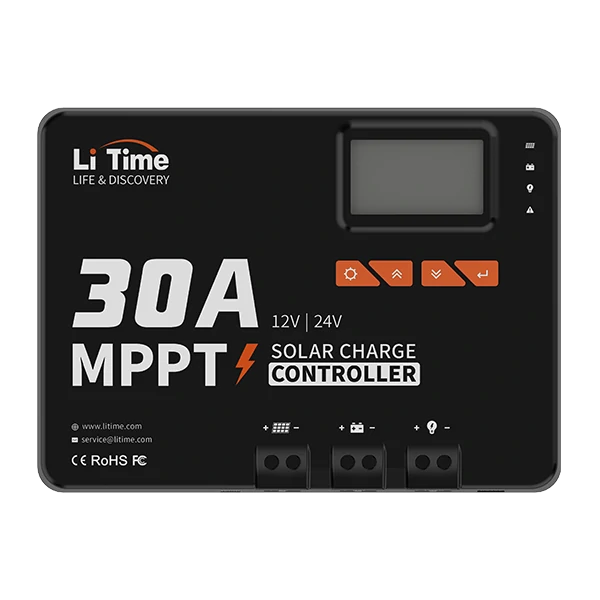



DIY off-grid Solar power Systems Kit
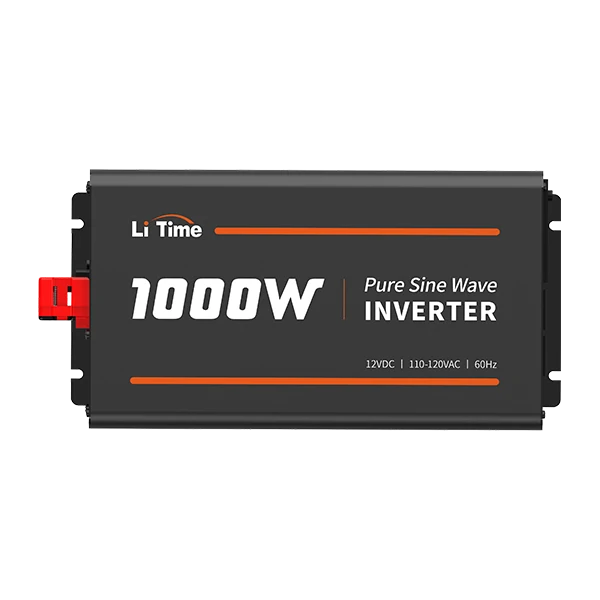

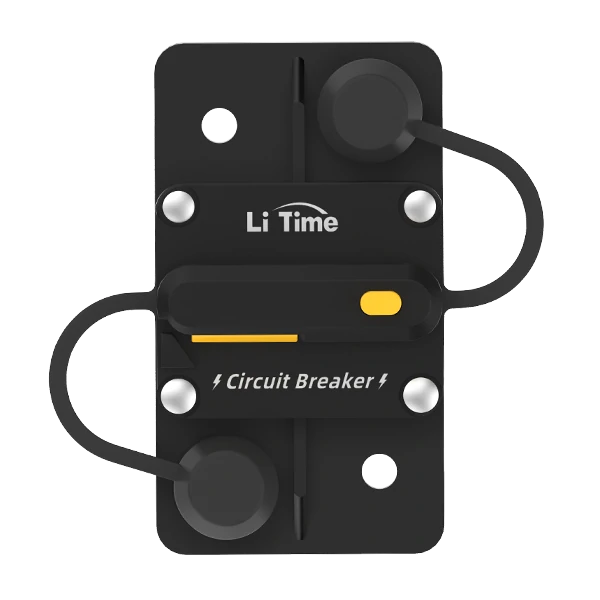



DIY Solar System for RV trips


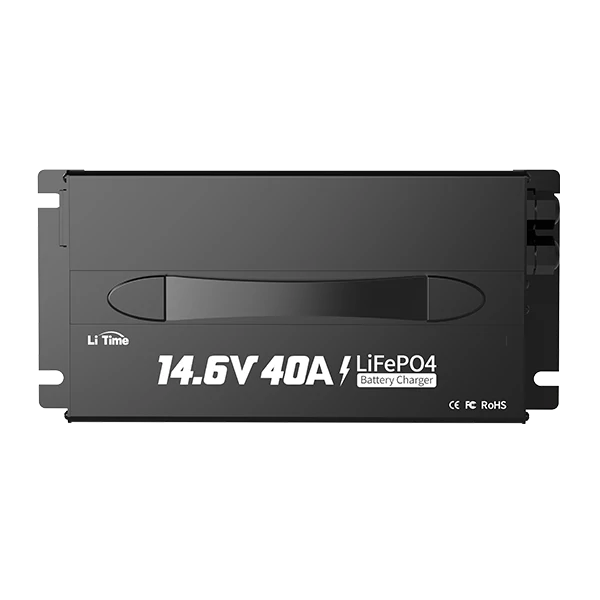

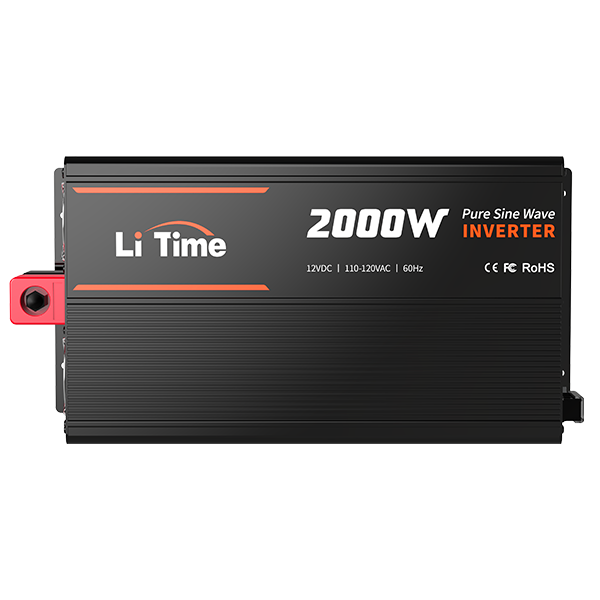


Best DIY Solar System Kit for Emergencies
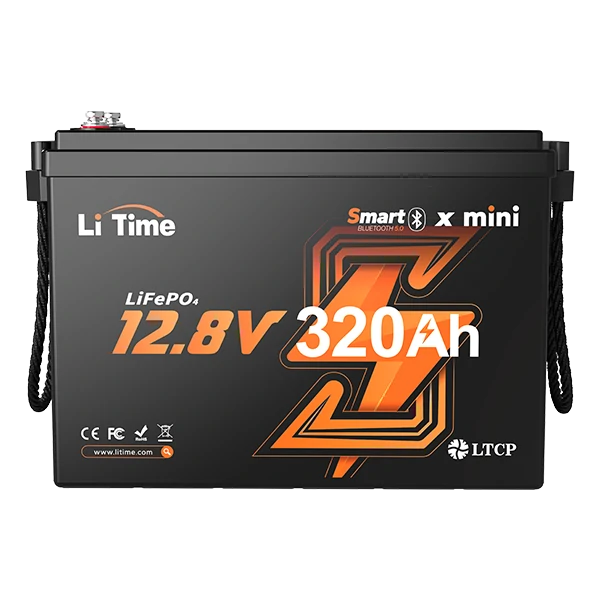

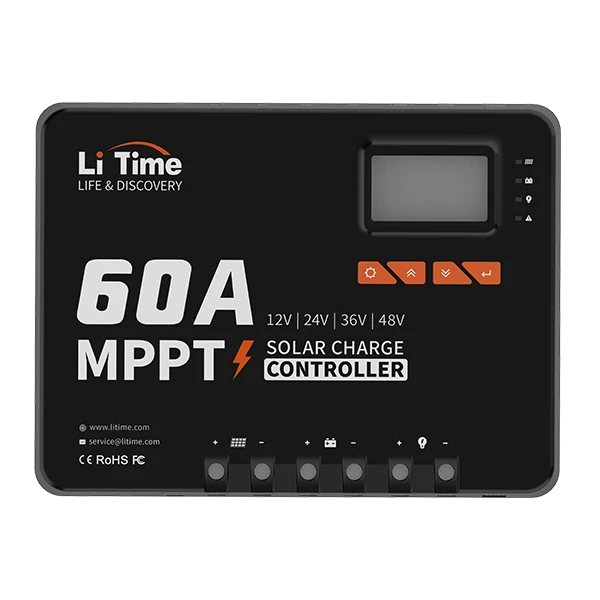

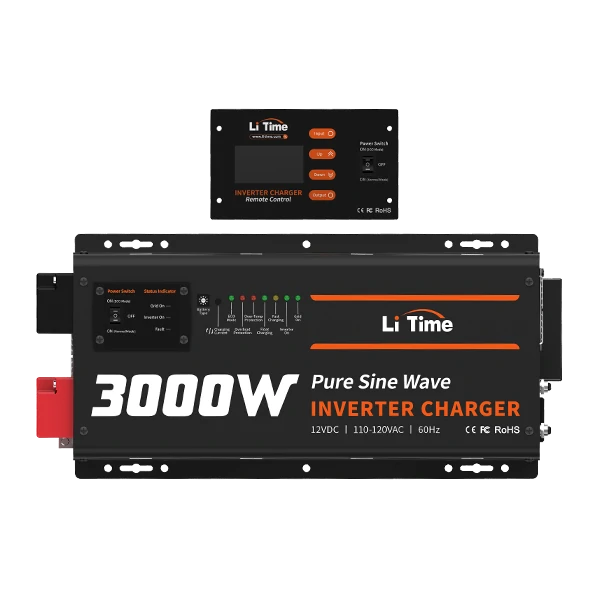


DIY Home Solar System Kit for Backup


FAQ
Yes, you can build your own solar power system.
Many homeowners install DIY solar setups using solar panels, inverters, charge controllers, and batteries. Small off-grid systems for RVs, cabins, or backup power are especially suitable for DIY installation because they require fewer components and simpler wiring.
Yes, building your own solar system is often cheaper.
DIY solar installations eliminate labor and installation fees, which can make up a large portion of the total cost. By purchasing components separately—such as panels, batteries, and inverters—you can reduce expenses significantly.
Almost all appliances can run on solar power, but some high-power devices are difficult to operate with small systems.
Appliances such as electric heaters, air conditioners, large ovens, and electric water heaters require very high wattage and large amounts of energy. Running these devices with solar power requires a large solar array and high-capacity batteries.
A 5000-watt solar system can power many common household appliances.
Under good sunlight conditions, a 5 kW solar system can run items such as refrigerators, televisions, laptops, lighting, washing machines, and small kitchen appliances. It may also support moderate loads like water pumps or small air conditioners depending on sunlight availability and battery capacity.
Yes, a house can run entirely on solar power.
To achieve full solar independence, a home needs enough solar panels to generate sufficient electricity and a battery storage system to supply power during the night or cloudy days.Off-grid homes often use larger battery banks and energy-efficient appliances to maintain reliable power.


