



Popular Guides


Frequently Asked Questions
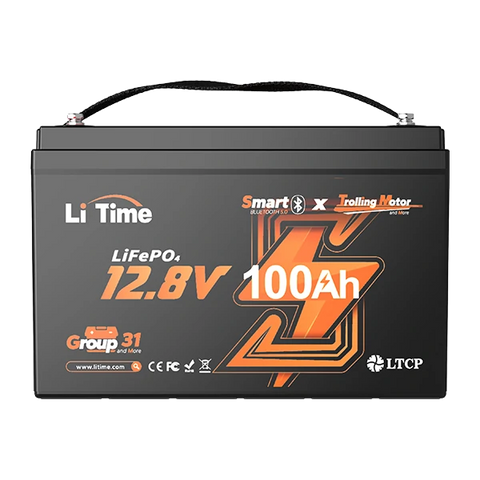
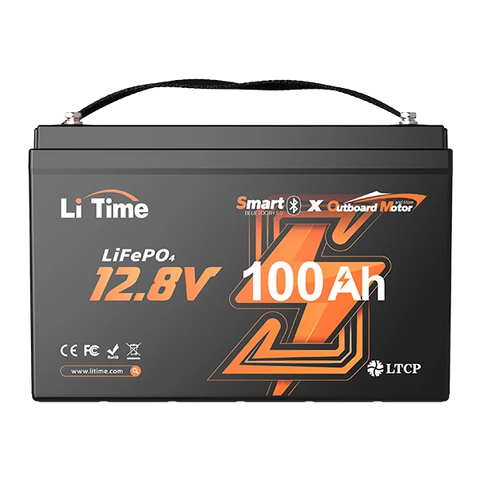
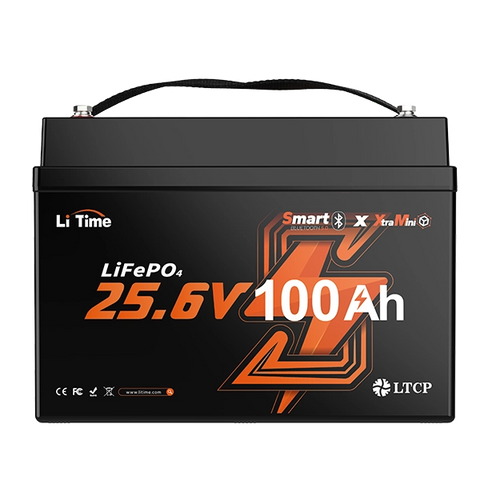
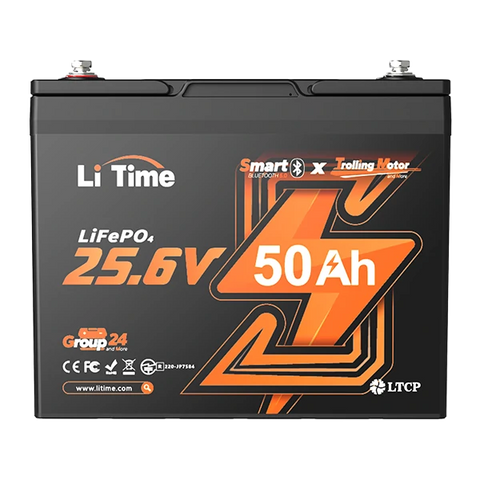
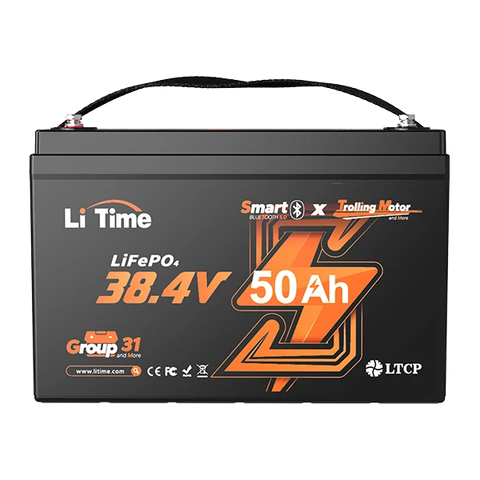
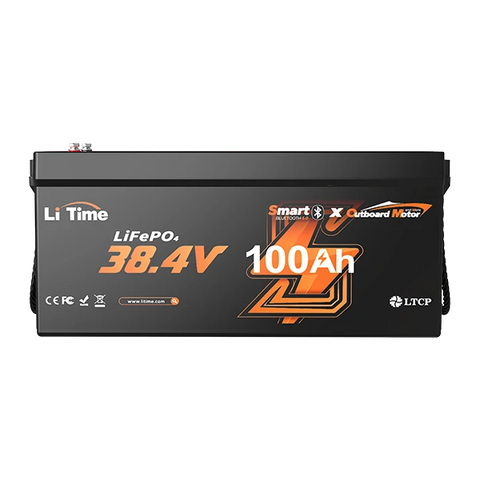
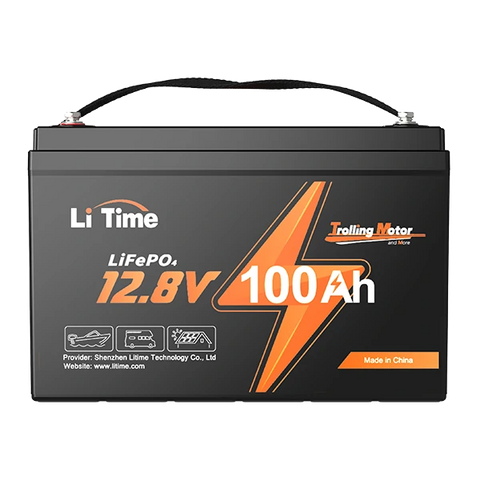
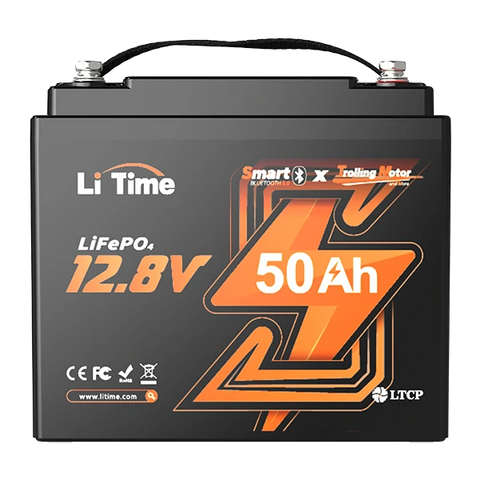
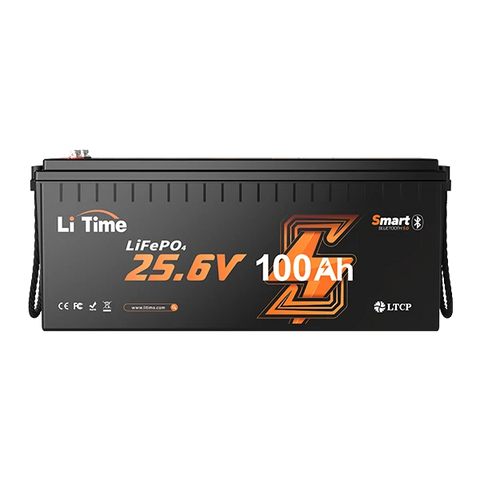
When you choose a LiTime battery for trolling motor, you're upgrading to a superior class of power, durability, and safety. Compared to other batteries, the benefits are clear:
- Unmatched Lifespan & Value: A LiTime trolling motor battery is built to last over a decade, delivering 4000+ charge cycles. This is a dramatic leap from typical lead-acid batteries, which last only 2-5 years and a few hundred cycles, making ours a superior long-term investment.
- Advanced BMS Protection: The core of our battery is a proprietary Battery Management System (BMS) that provides total protection. It shields the battery from the harsh marine environment (moisture, dust, salt spray) while also safeguarding it electrically against overcharging, deep discharge, and extreme temperatures.
- Certified Marine-Grade Safety: For your peace of mind, our batteries meets the strict ABYC E-13 standards, the benchmark for marine electrical safety. This certification guarantees the highest level of protection and performance for you and your vessel.
- Zero-Maintenance Convenience: LiTime batteries are a true "set it and forget it" solution. They eliminate the need for regular watering, terminal cleaning, and other upkeep required by lead-acid batteries, giving you more time on the water.
Ultimately, the combination of extreme longevity, intelligent protection, certified safety, and maintenance-free operation makes LiTime the smart choice for reliability and long-term value.
LiTime offers a 5-year warranty on our batteries >30Ah. For more details, please visit LiTime Warranty Policy.
To get the best performance and longest life from your LiTime battery, it's crucial to use the right charging method. Because our LiFePO4 trolling motor batteries are more advanced than old lead-acid types, a dedicated LiFePO4 charger is always your best choice.
Here are the ways you can charge your battery:
- From a Wall Outlet: The simplest method is to use an AC-DC LiFePO4 Charger.
- With the Sun: For off-grid power, you can use Solar Panels. Just be sure to connect them through a solar charge controller for safety.
- From Your Engine or a Generator:If it provides DC power, you'll need a DC-to-DC charger.If it provides AC power (like a wall outlet), just plug your regular LiFePO4 charger into it.
Want to learn more? Check out our complete Charging Guide for Trolling Motor Batteries!
The answer depends on how and where you plan to charge your battery.
If you usually remove your trolling motor battery from the boat and charge it in a dry, protected area—such as your garage, workshop, or home—a standard charger will work perfectly. It’s a safe and budget-friendly option for those who charge off the boat.
On the other hand, if you prefer the convenience of charging your battery while it remains onboard, a waterproof charger is a must. Installing a charger directly on your boat—especially in compartments exposed to moisture, splashes, or high humidity—requires a waterproof model to ensure safe operation and long-term durability.
Here’s a quick guide to help you choose:
- Go with a Standard Charger if: You always charge your battery off the boat, in a dry indoor location.
- Choose a Waterproof Charger if: You plan to install the charger directly on your boat for easy, dock-side charging.
Many of our battery packages come with a standard charger to offer great value for common charging setups. However, if you're building an onboard charging system, we highly recommend our IP65-rated waterproof marine chargers—designed to withstand harsh marine conditions and keep your power system reliable.
No. LiTime lithium trolling motor batteries are deep cycle batteries, specifically engineered to provide sustained power over long periods for devices like trolling motors and fish finders.
Engine starting requires a starting battery, which is designed to deliver a massive burst of current (cranking amps) for a few seconds. Attempting to start an engine with a deep cycle battery can overload and damage the battery's internal components and its Battery Management System (BMS).
For marine starting use, please visit LiTime marine starting batteries for choice.
Yes. You can connect our batteries in series to increase voltage (e.g., two 12V batteries make a 24V system) or batteries in parallel to increase capacity and runtime (e.g., two 100Ah batteries make a 200Ah system).
To ensure safety, balanced performance, and a long lifespan for your battery bank, you must adhere to the following rules:
- Use Identical Batteries: All batteries in the bank must be the same model, with the same capacity (Ah) and BMS (Battery Management System) current rating.
- Do Not Mix Brands: Only connect LiTime batteries with other LiTime batteries. Different brands use unique BMS configurations that are not compatible with each other.
- Use Batteries of a Similar Age: For optimal balancing, all batteries should be purchased around the same time (within one month is recommended). Mixing new and old batteries can lead to performance issues and a shorter lifespan for the entire bank.
For optimal longevity, store your LiFePO4 batteries under the following conditions:
Storage Recommendations
- State of Charge (SOC): Store batteries at a 50% state of charge. Avoid storing them fully charged or completely discharged.
- Regular Recharging: If storing for an extended period, recharge the batteries to 50% at least every three months to prevent deep discharge and maintain cell balance.
- Temperature: The ideal storage temperature is between -10°C to 50°C / 14°F to 122°F.
- Humidity: Maintain a relative humidity of 5%~95%.
- Protective Casing: Can store the batteries in a dedicated battery box to protect them from physical damage, dust, and moisture.
Best Practices for Long-Term Storage
For storage exceeding three months, adhering to these guidelines will significantly preserve your battery's health and performance:
- Disconnect Completely: Ensure the batteries are disconnected from all loads and charging sources. This prevents slow parasitic drains that can lead to over-discharge.
- Avoid Extreme Temperatures: Storing batteries outside the recommended temperature range can accelerate degradation. In particular, high heat can permanently damage the battery's capacity.
- Cycle Before Use: After a long storage period, it's good practice to cycle the battery (one full charge and discharge) before putting it back into regular service.
A 100Ah battery typically runs a trolling motor for ~2 hours at full speed, ~4–5 hours at 50%, or ~8–10+ hours at 25%, depending on load.
LiTime recommends estimating runtime with Battery Capacity (Ah) ÷ Motor Amp Draw (A) = hours, and noting that heavier boats, rough water, higher thrust, and extra electronics reduce runtime. Using a lithium ion trolling motor battery (LiFePO4) can also offer benefits like deeper usable capacity and faster charging versus lead-acid.
For the amp-draw chart and more real-world examples, check LiTime’s guide: how long does a battery last on a trolling motor.
Wire lithium trolling motor batteries based on your motor voltage—12V = 1 battery, 24V = two 12V batteries in series, 36V = three 12V batteries in series.
Before wiring, fully charge batteries and confirm resting voltage ≥13.33V; series strings should use identical batteries (same capacity, voltage, type, and BMS). Connect battery positive to motor red and negative to motor black; for 24V/36V, add series jumpers between batteries as shown in the diagrams, and use 3–4 AWG tinned cables with properly crimped M8 copper lugs.
Clear 12V/24V/36V diagrams and troubleshooting steps are in this guide: LiTime Guide on How to Wire Lithium Trolling Motor Battery.
Battery size is mainly determined by motor thrust and required voltage, and a LiFePO4 lithium battery is the right format for trolling motors.
LiTime notes that motors up to 55 lb thrust typically use one 12V battery, up to 80 lb use two 12V batteries in series (24V), and 80 lb+ often require three 12V batteries in series (36V); higher Ah extends runtime but adds cost/weight. Deep-cycle batteries are built to deliver steady power over time, and most LiFePO4 options are deep cycle.
Thrust-to-voltage guidance, deep-cycle selection, and group-size fitment details are covered here: What's the Best Type & Size Battery for Trolling Motor.